June 23, 2026
Understanding when to repair or replace your water line is crucial for maintaining a safe and efficient plumbing system. This article explores the key differences between water line repair and replacement, delving into cost considerations, longevity, environmental impact, and more. Making an informed decision can prevent unnecessary expenses and improve the efficiency of your home’s water supply. With an increase in infrastructure age, water line issues are becoming more prevalent, making it vital for homeowners to understand their options. This article serves as a comprehensive guide to help you weigh the benefits and drawbacks of each option.
1. Understanding Water Line Systems
1.1. Components of a Water Line System
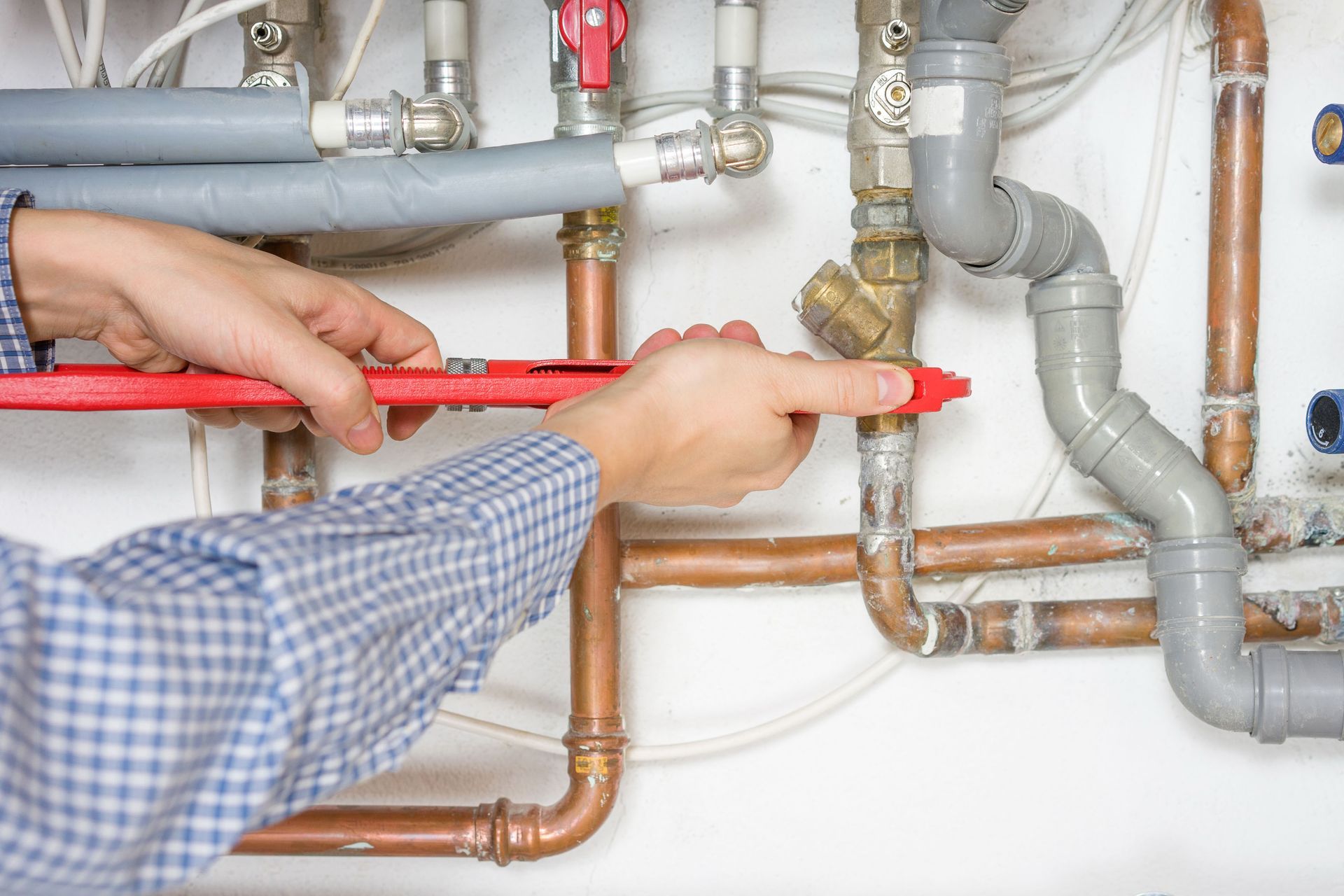
A water line system is an integral part of any household, consisting of various components such as pipes, valves, joints, and fittings. Each component plays a critical role in ensuring the smooth transportation of water. Pipes are the main conduits for water flow, usually made from materials like copper, PVC, or PEX. Valves control the water flow, allowing for repairs and modifications without shutting off the entire system. Properly installed joints and fittings ensure that connections are leak-free, maintaining the integrity and efficiency of the water system.
1.2. Common Materials Used
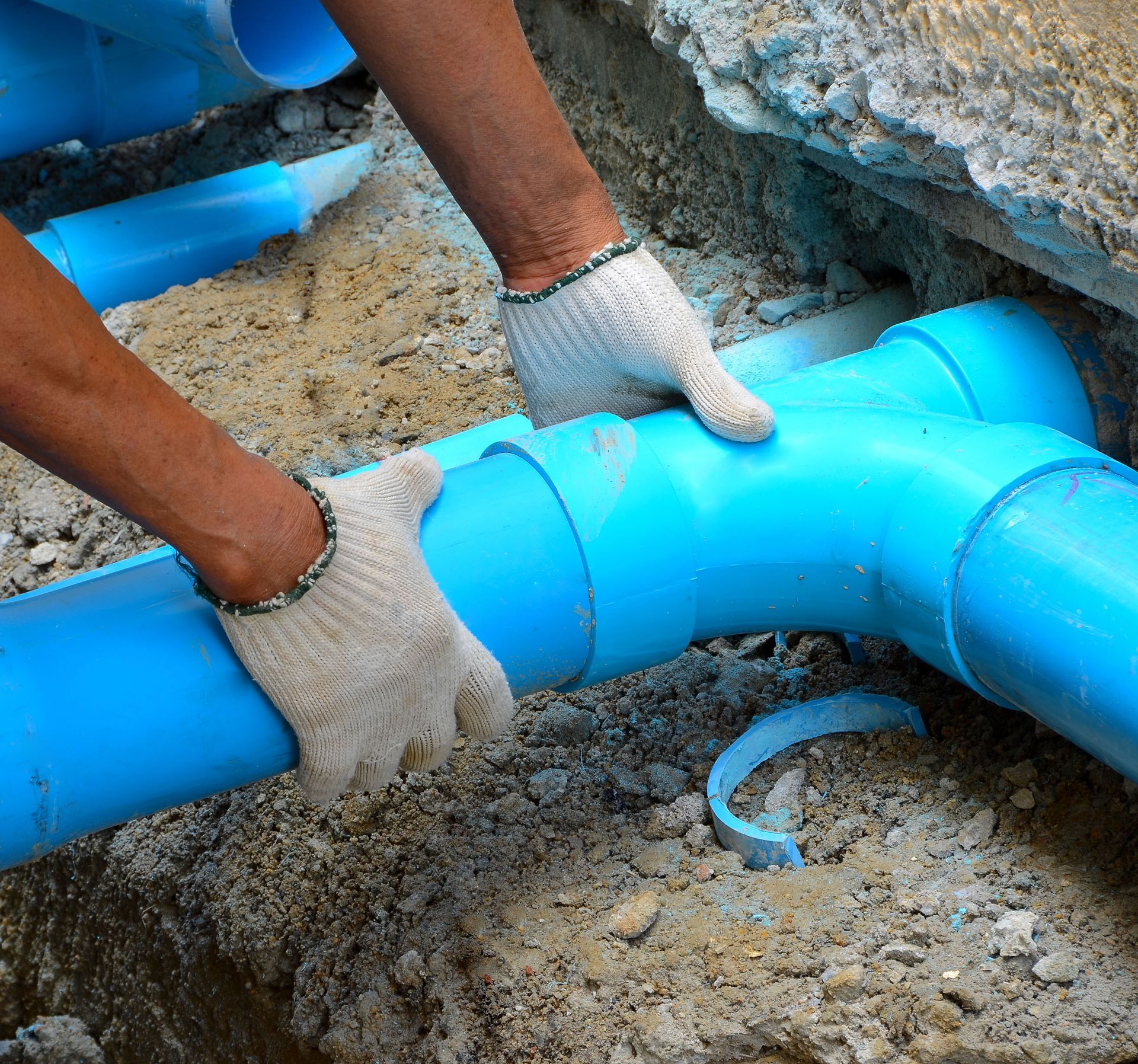
Water lines are predominantly made from materials like copper, PVC, and PEX, each offering distinct benefits. Copper is known for its durability and bacteriostatic properties, often preferred for its long lifespan. PVC is lightweight, easy to install, and resistant to corrosion, making it a cost-effective alternative. PEX is flexible and can withstand extreme temperatures, offering a modern solution for water distribution. The choice of material often depends on the specific needs of the home and local building codes.
1.3. Lifespan of Water Line Components
The lifespan of water line components varies significantly, influenced by factors such as material, installation quality, and environmental conditions. Copper pipes can last upwards of 50 years with proper maintenance. In contrast, PVC pipes have a lifespan of about 25-40 years under optimal conditions. PEX, being a newer material, is expected to last over 40 years but varies with manufacturer and quality. Regular assessment and maintenance can extend the lifespan of these components, preventing premature failures and costly repairs.
1.4. Signs of Wear and Tear
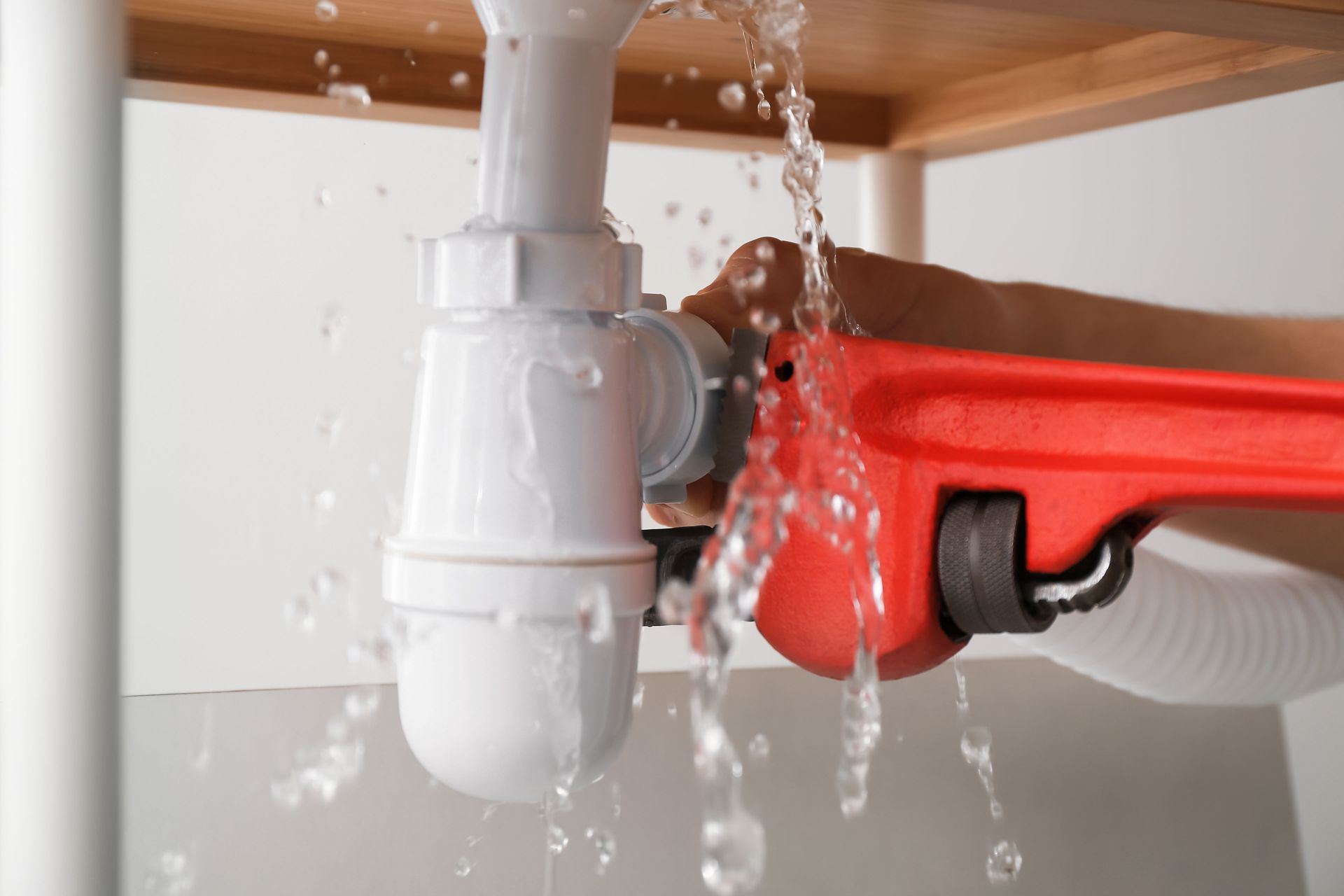
Detecting signs of wear and tear early can prevent significant water line issues. Common indicators include reduced water pressure, discolored water, and visible leaks around fittings and joints. Ageing water lines may also emit strange noises, indicative of air trapped in the pipes or corrosion. Another key indicator is the presence of water spots on walls or ceilings, suggesting possible leaks from hidden installations. Addressing these signs promptly can minimize damage and reduce repair costs.
1.5. Importance of Regular Maintenance
Regular maintenance is essential to ensure the longevity and efficiency of water line systems. Routine checks can identify small issues before they escalate into major problems, saving money and resources in the long run. According to the Insurance Information Institute, the number of backed-up sewers is increasing at an alarming rate of about 3 percent annually, underscoring the need for proactive maintenance. Scheduled inspections allow for timely repairs and can extend the lifespan of water line components. Investing in regular maintenance can protect your property and improve water efficiency.
2. When to Choose Water Line Repair
2.1. Cost Considerations
One of the primary factors influencing the decision to repair a water line is cost. Repairs are often less expensive than complete replacements, especially for minor issues such as leaks at joints or damaged valves. However, it's important to weigh the potential need for recurrent repairs against a one-time investment in replacement. Cost considerations should include not just the immediate expense but also the long-term financial implications. Engaging with a knowledgeable contractor can help assess the true cost and guide you toward the most financially sound decision.
2.2. Extent of Damage
The extent of damage plays a crucial role in determining whether a repair or replacement is warranted. Minor issues such as small leaks, localized corrosion, or minor blockages can often be effectively resolved through repair. However, extensive damage such as widespread corrosion, consistent leaks, or repeated freeze-thaw cycles may indicate a more significant underlying issue. In such cases, repair may only be a temporary solution. A thorough evaluation by a professional can clarify the extent of the damage and the best course of action.
2.3. Temporary vs. Permanent Solutions
When considering water line repair, it's essential to differentiate between temporary fixes and permanent solutions. Quick fixes can address immediate issues but often do not provide long-term reliability, potentially leading to repeated repairs. Permanent solutions, though initially more costly, offer greater peace of mind and reduce the likelihood of future problems. For homeowners facing multiple minor issues, opting for a comprehensive solution might prove more cost-effective in the long run. Expert advice can clarify whether a repair is a suitable temporary measure or a lasting fix.
2.4. Impact on Water Supply
Repairing water lines can often lead to temporary disruptions in water supply. This impact can vary based on the extent and nature of the repair needed. In some scenarios, repairs can be carried out with minimal disruption, while in others, it may require a complete shutdown of the water system. It's essential to plan for these potential disruptions and communicate with household members to minimize inconvenience. Consulting with a skilled technician can ensure that repair work is carried out efficiently, minimizing water supply interruptions.
2.5. Technician Expertise Required
The level of expertise required for successful water line repairs depends on the complexity of the issue. Some minor repairs might be manageable with basic plumbing knowledge, while others necessitate the skills of a professional plumber. Engaging a qualified technician ensures that the repair is done correctly, preventing future problems arising from amateur fixes. Checking the technician's credentials and reviews can provide confidence in their ability to perform the necessary repairs effectively. A skilled professional can also offer valuable insights into whether repair or replacement is the most appropriate solution.
3. When Replacement is the Better Option
3.1. Cost Implications
While replacements incur a higher initial cost compared to repairs, they often represent a better long-term investment. Replacing old or damaged pipes can lead to reduced maintenance costs, improved water efficiency, and decreased risk of future problems. Over time, consistent patchwork repairs can accumulate, surpassing the cost of a full replacement. The long-term financial benefits of replacements make it a worthy consideration for homeowners facing frequent water line issues. In many cases, what seems like a costly option initially may save significant expenses down the road.
3.2. Modernization and Innovation
Replacing water lines offers an opportunity to upgrade to newer materials and technologies. Modern materials like PEX provide improved flexibility and resilience compared to older counterparts. Innovative technologies can enhance water efficiency, reduce energy consumption, and offer greater durability. Transitioning to modern materials can also support home renovations and increases overall water line reliability. Staying updated with the latest advancements in water line technology can provide long-lasting benefits for homeowners.
3.3. Addressing Recurring Problems
Continuous water line issues suggest that replacing the entire system may be more effective than ongoing repairs. Frequent leaks, noticeable corrosion, and repeated bursts are indicators of systemic issues that require comprehensive attention. Temporary fixes may only offer short-term relief without addressing the underlying causes, leading to frustration and additional costs. Replacement can resolve these recurring problems, offering long-lasting peace of mind. Consulting with a qualified plumber can determine the best course of action for persistent water line troubles.
Choosing between water line repair and replacement hinges on several factors, including cost, extent of damage, and environmental impacts. Thoroughly assessing your specific situation with an eye on long-term benefits and consulting with professionals are vital steps toward ensuring a functional, efficient water line system. Regardless of the choice, proactive maintenance, and informed decision-making promote sustainable water system management. Both repair and replacement options offer distinct advantages tailored to varying circumstances and objectives. With an informed understanding of each approach, homeowners can enhance the safety and efficiency of their homes’ plumbing systems, ultimately contributing to increased property value and environmental sustainability. Be sure to reach out to Ruberti Construction today to learn more about our professional water service connections!