May 22, 2026
Your home is a complex ecosystem of interconnected systems, each working tirelessly to ensure your comfort and safety. Among these, the sewer system is arguably the most critical, yet it is often the most neglected. Hidden beneath the surface of your property, these pipes transport wastewater away from your living space, maintaining hygiene and preventing environmental contamination. However, because these systems are buried deep within the earth, problems can brew for weeks or even months before they manifest as visible emergencies. By the time you notice a foul odor or a soggy patch in your lawn, the damage may already be extensive.
Understanding the early warning signs of a failing sewer line is not just a matter of convenience; it is a vital part of home maintenance that can save you thousands of dollars in remediation costs and protect the structural integrity of your property. Ignoring these signs can lead to catastrophic backups, mold growth, and even foundation issues. In this comprehensive guide, we will explore the red flags that indicate your sewer system requires immediate professional intervention and why timely action is the only way to avoid the headache of a complete system failure. When issues go beyond simple repairs, understanding the scope of a professional sewer installation becomes paramount to restoring your home's functionality.
Identifying Unusual Odors Within the Home
One of the first and most unmistakable signs that your sewer system is in distress is the presence of persistent, unpleasant odors. A healthy sewer system is airtight, meaning you should never catch a whiff of raw sewage inside your house. If you begin to notice a smell reminiscent of rotten eggs or sulfur, particularly near drains, in the basement, or in the laundry room, it is a clear indicator that sewer gases are escaping. These gases are not only revolting but can also be hazardous to your health if inhaled over long periods. Often, these smells arise from a cracked pipe or a dried-out P-trap, but they can also signal a blockage deep within the main line. When these odors persist despite cleaning your drains, it is time to call in a professional. DIY solutions like pouring bleach down the drain are merely temporary masks for a structural problem. A professional inspection can determine if the odor is a symptom of a minor leak or if the pipes have degraded to the point where a new sewer installation is the only long-term solution to ensure your family's safety and comfort.
Recognizing Slow Drains Across Multiple Fixtures
While a single slow-moving drain in the kitchen might suggest a simple clog caused by grease or food particles, slow drainage across multiple fixtures throughout the home is a major red flag. If your bathtub, kitchen sink, and toilet are all struggling to clear water simultaneously, the problem is likely not in the individual pipes but in the main sewer line itself. This systemic sluggishness often points to a significant blockage or a collapsed pipe section that is impeding the flow of wastewater away from the house. In some cases, tree roots may have infiltrated the line, creating a web that catches debris and slowly chokes the system. Attempting to clear such a blockage with chemical cleaners can actually do more harm than good, as the harsh chemicals can corrode older pipes, leading to further leaks. Relying on professional diagnostic tools, such as sewer cameras, allows experts to pinpoint the exact location of the obstruction. If the pipes are found to be beyond repair due to age or extensive root damage, a strategic sewer installation may be recommended to provide a modern, durable drainage solution.
Monitoring Persistent Gurgling Noises In Pipes
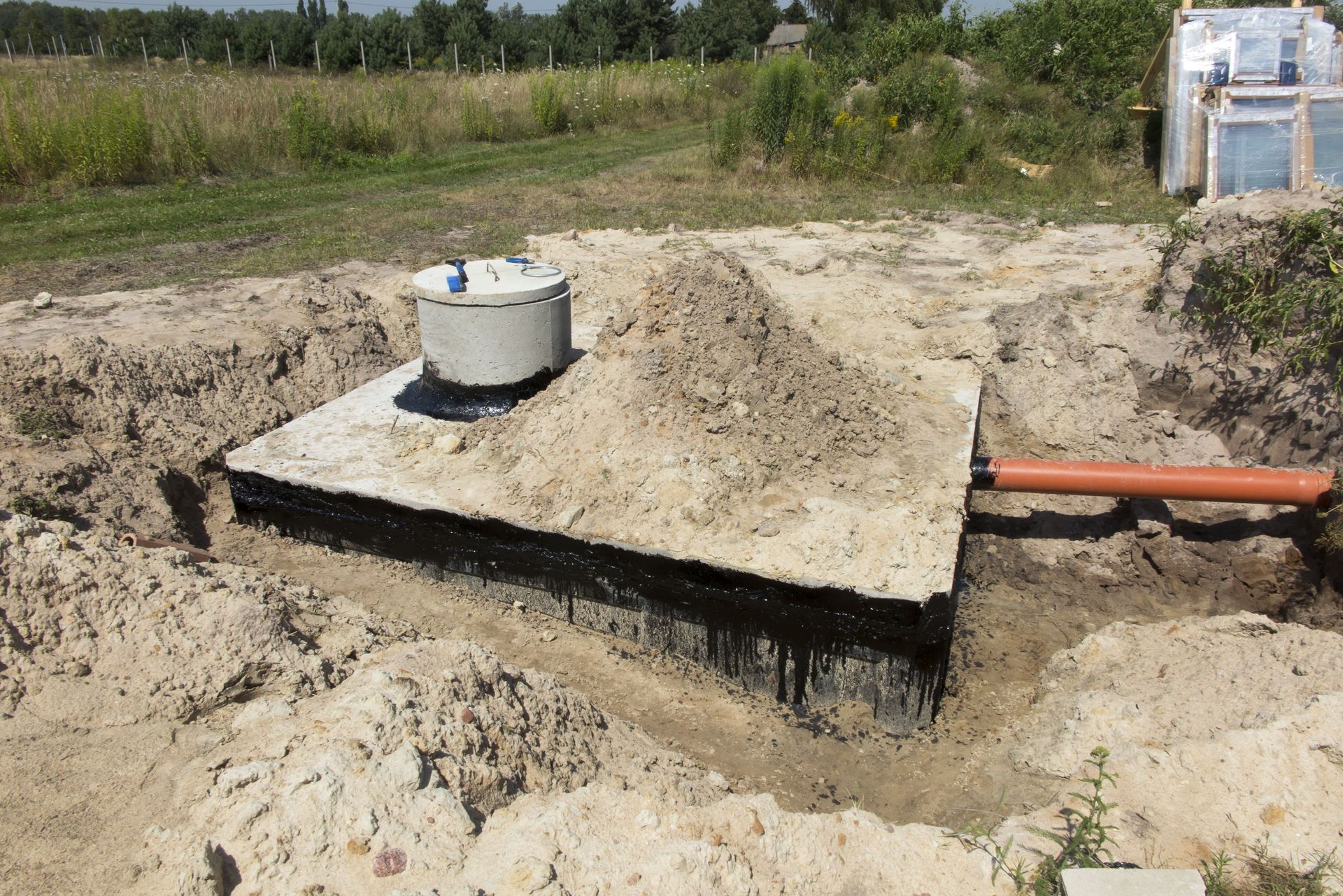
Your plumbing should generally be quiet. If you start hearing strange gurgling, bubbling, or "glugging" sounds whenever you run water or flush the toilet, your sewer system is trying to tell you something. These sounds occur when air is trapped in the lines, unable to escape through the vent stacks because of an obstruction or a backup. For instance, if you hear a gurgling sound in the shower after you flush the toilet, it means the water is seeking a way out and pushing air back through the system. This phenomenon is a precursor to a total sewage backup. Professional plumbers can use acoustic equipment or snakes to determine why the air is trapped. In older homes, these sounds are often the last warning before the pipes give out entirely. Often, these issues stem from the fact that, according to This Old House, sewer lines are typically positioned between two and six feet under the surface, making them susceptible to shifts in the soil or pressure from above-ground structures. When these external forces cause the pipes to belly or crack, the resulting air pockets create the noises you hear. At this stage, consulting an expert about the necessity of a sewer installation is a proactive step toward preventing a flood.
Evaluating Unexpected Sewage Backups in Basements
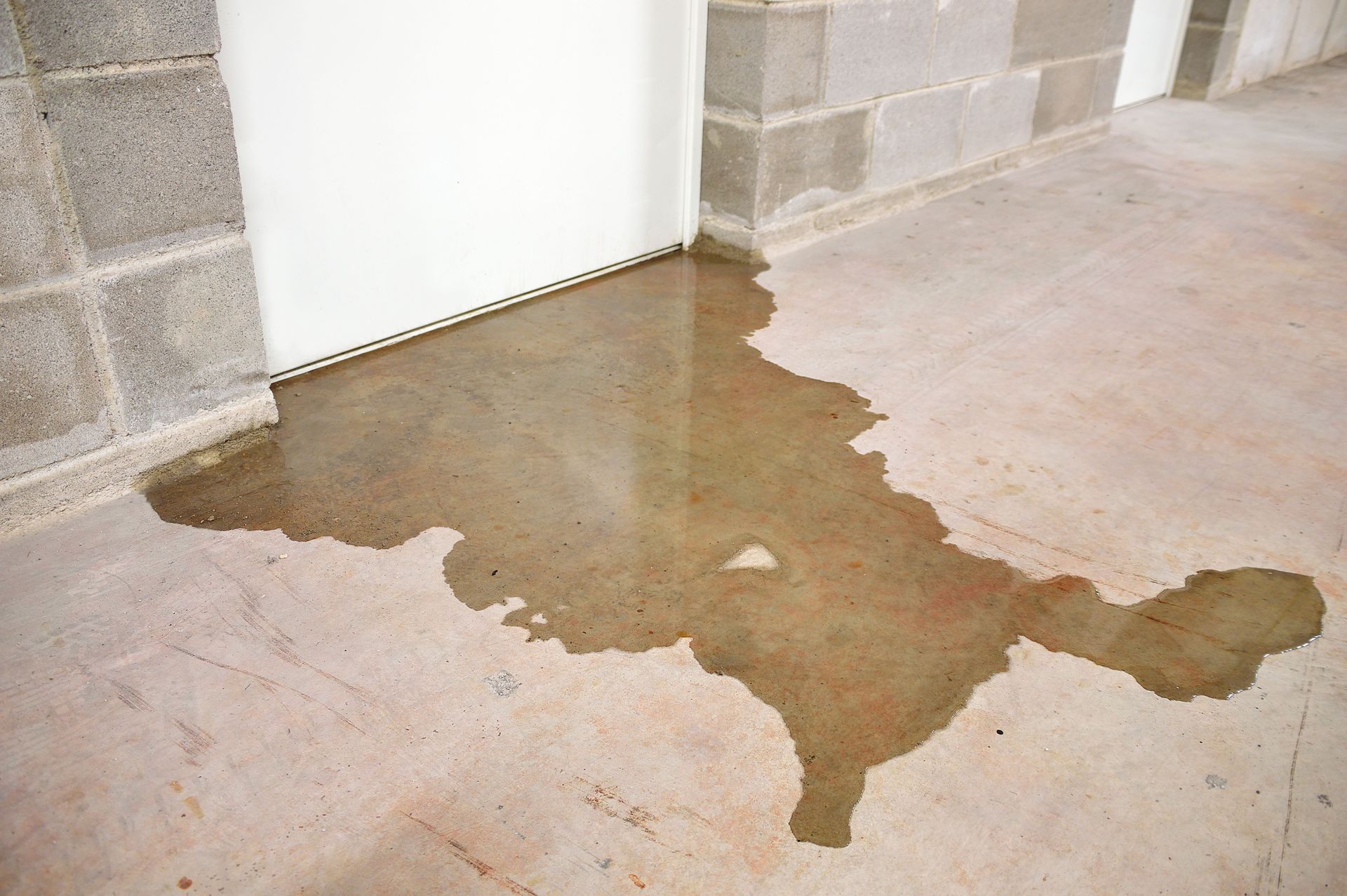
The most severe and distressing sign of a sewer system failure is a direct backup. When wastewater begins to flow backward out of your drains or toilets, you are facing a genuine emergency. This typically happens at the lowest point in the home, which is often a basement floor drain or a downstairs bathroom. A backup is not just a messy inconvenience; it is a significant health hazard, as raw sewage contains bacteria, viruses, and parasites that can cause serious illness. Furthermore, the water damage caused by a backup can lead to rapid mold growth and structural rot. If you experience a backup, the first step is to stop using all water in the house and call a professional immediately. Do not attempt to clean it up without proper protective gear. In many instances, frequent backups are a sign that the main line has collapsed or is severely undersized for the home's current needs. In such scenarios, a professional will likely advise a full sewer installation to replace the outdated or damaged pipes with high-capacity, modern materials that can handle the home's load without the risk of future overflows.
Analyzing Unusual Fluctuations in Toilet Water
The behavior of the water in your toilet bowls can offer subtle clues about the state of your main sewer line. If you notice that the water levels in your toilets are fluctuating wildly—sometimes being too high and other times nearly empty—it suggests a venting issue or a partial blockage in the main line. When the sewer line cannot breathe or move water efficiently, air pressure imbalances are created, which pull or push water out of the bowls. This might seem like a minor quirk, but it is a symptom of a system under high stress. A professional plumber can perform a pressure test to see where the system is failing. Often, these fluctuations occur in tandem with other signs, like gurgling or slow drains. If the pipes are old—perhaps made of clay or cast iron—they may have reached the end of their functional lifespan. At this juncture, planning for a professional sewer installation is the most responsible course of action. Installing new, PVC or HDPE piping ensures that your toilet levels remain consistent and that your home's internal pressure stays balanced, preventing the sudden "blowouts" or siphoning that can lead to deeper plumbing failures.
Maintaining a healthy sewer system is a foundational aspect of responsible homeownership. Addressing these issues early with the help of seasoned professionals ensures that minor leaks don't turn into structural disasters. A functioning sewer system protects your property value, your health, and your peace of mind. If you have noticed any of these red flags, or if your home's plumbing is simply reaching an age where its reliability is in question, it is time to take decisive action. At Ruberti Construction, we specialize in comprehensive diagnostic and replacement services. We understand that a sewer installation is a significant undertaking, and we are committed to providing transparent, high-quality solutions tailored to your specific property. Don't wait for a plumbing catastrophe to strike your home. Contact us today at Ruberti Construction to schedule a professional inspection and ensure your home's infrastructure remains sound for decades to come.