May 21, 2026
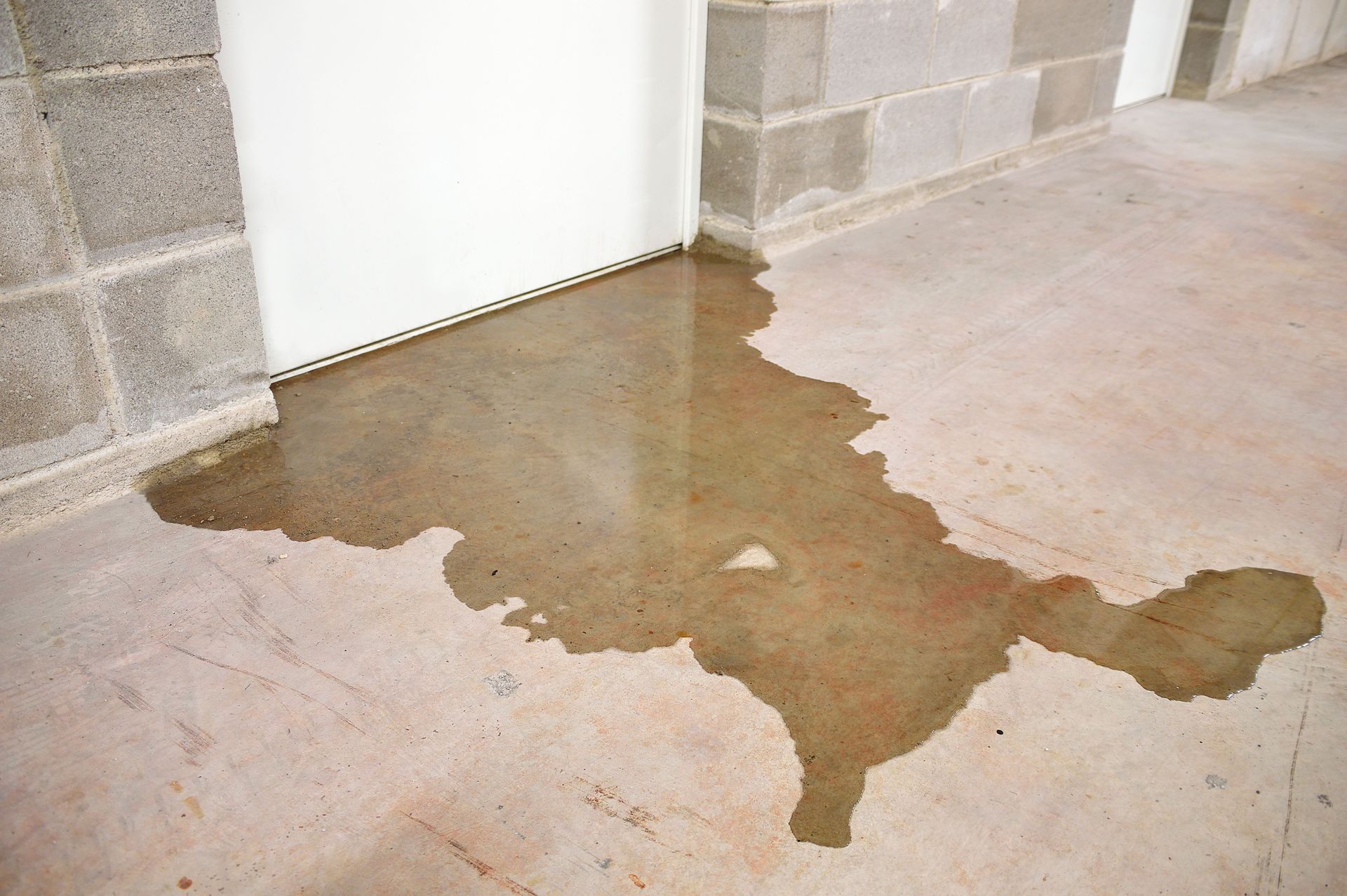
Water damage can move quickly through a home, especially when a plumbing failure, storm leak, appliance overflow, or foundation issue is not handled right away. Even a small amount of standing water can soak into flooring, walls, insulation, cabinets, and structural materials. Once moisture spreads, the visible mess is only one part of the problem. Hidden dampness can weaken surfaces, create odor, encourage mold growth, and lead to repairs that become more complicated over time.
Professional emergency water repair helps homeowners respond with speed, structure, and the right equipment. Instead of guessing where the water went or hoping surfaces will dry naturally, trained crews can assess the damage, remove water, dry affected areas, and identify repairs needed to restore the property. This type of service is valuable because residential water damage often involves immediate cleanup and long-term protection.
Protecting the Home Structure
One of the biggest benefits of emergency water repair is the ability to protect the home’s structure before damage spreads. Water does not stay neatly in one place. It can move under flooring, behind baseboards, inside wall cavities, and through ceilings. If it reaches wooden framing, subfloors, drywall, or insulation, it can compromise materials that support the strength and comfort of the home.
Professionals understand how to look beyond the most obvious wet areas. They can inspect adjoining rooms, lower levels, crawl spaces, and hidden surfaces to determine how far moisture has traveled. This matters because a room may appear dry on the surface while water remains trapped underneath.
Without proper attention, hidden moisture can cause warping, staining, swelling, and material breakdown.
Emergency crews also help homeowners avoid unnecessary demolition. With proper extraction, drying equipment, and moisture monitoring, some materials may be saved instead of removed. When removal is necessary, professionals can base that decision on the condition of the material rather than guesswork.
Reducing Health and Indoor Air Concerns
Another important reason to schedule emergency water repair is the effect moisture can have on indoor air quality. Damp materials can create the right conditions for mold and mildew, especially when water sits for too long. Mold does not always appear immediately, but once it begins to grow, it can spread across surfaces and release particles into the air.
The risks can be greater when water comes from contaminated sources, such as sewage backups or floodwater. Even clean water from a broken supply line can become less sanitary if it sits and mixes with building materials, dust, or debris. Professionals can determine the category of water involved and choose the correct cleanup process.
Residential water use also shows why fast response is so important. According to the EPA, the average American uses 82 gallons of water per day at home. When a pipe bursts, a toilet overflows, or an appliance fails, a significant amount of water can enter the property in a short period. Prompt cleanup helps reduce the chance that moisture will turn into a health concern.
Finding Hidden Moisture
A major advantage of hiring professionals is their ability to locate water that cannot be seen easily. Homeowners may mop up a puddle or run fans, but moisture can remain inside wall systems, under flooring, behind cabinets, and around trim. If these areas are not dried properly, the home may continue to experience damage after the initial event seems resolved.
Emergency water repair teams use tools such as moisture meters, infrared technology, air movers, and dehumidifiers to identify and address wet areas. These tools help create a clearer picture of the damage. Instead of relying only on touch or appearance, crews can measure moisture levels and track drying progress over time.
Incomplete drying can lead to recurring problems. A floor may feel dry, but trapped moisture underneath can cause buckling later. Drywall may look intact, but wet insulation behind it can hold moisture against the wall. Professional evaluation reduces the likelihood that these hidden problems will be missed.
Preventing Costly Secondary Damage
Water damage is often expensive because it creates secondary problems when it is not handled quickly. For example, soaked flooring may spread moisture into baseboards. Wet drywall may affect paint, trim, insulation, and framing. A ceiling leak may damage light fixtures, electrical components, and lower-level rooms. The longer the water remains, the more materials may need attention.
Professional emergency water repair can limit these secondary issues by starting the cleanup process right away. Water extraction removes standing water, while targeted drying helps stop moisture from migrating further. Crews can also separate damaged materials from salvageable ones, which helps reduce confusion during the repair process.
Restoring Comfort and Daily Routines
Water damage disrupts normal life quickly. A family may lose access to a bathroom, kitchen, laundry area, basement, bedroom, or main living space. Wet floors may create safety hazards, damaged walls may need repair, and lingering odors may make rooms uncomfortable. Professional help can reduce that disruption by creating a clear recovery plan.
Emergency water repair is not only about removing water. It is also about making the home livable and safe again. Crews can prioritize areas that affect daily routines and identify which rooms need drying, cleaning, repair, or replacement work. This helps homeowners understand what can be used, what should be avoided, and what needs attention.
A thoughtful emergency water repair plan can also reduce emotional stress. Water damage often happens without warning, leaving homeowners overwhelmed by the mess, cost, and uncertainty. Working with a professional team gives them a practical path forward.
Supporting Long-Term Property Value
Residential properties depend on sound materials, clean interiors, and reliable systems. When water damage is left untreated, it can affect all of these areas. Stains, odors, warped flooring, damaged drywall, mold concerns, and weakened surfaces can reduce comfort and may create issues during future inspections or resale conversations.
Professional emergency water repair supports long-term property value by addressing damage before it becomes more severe. Proper drying and repair help preserve building materials where possible and replace those that can no longer perform as they should. This creates a better result than covering stains, repainting damp surfaces, or replacing only the most visible materials.
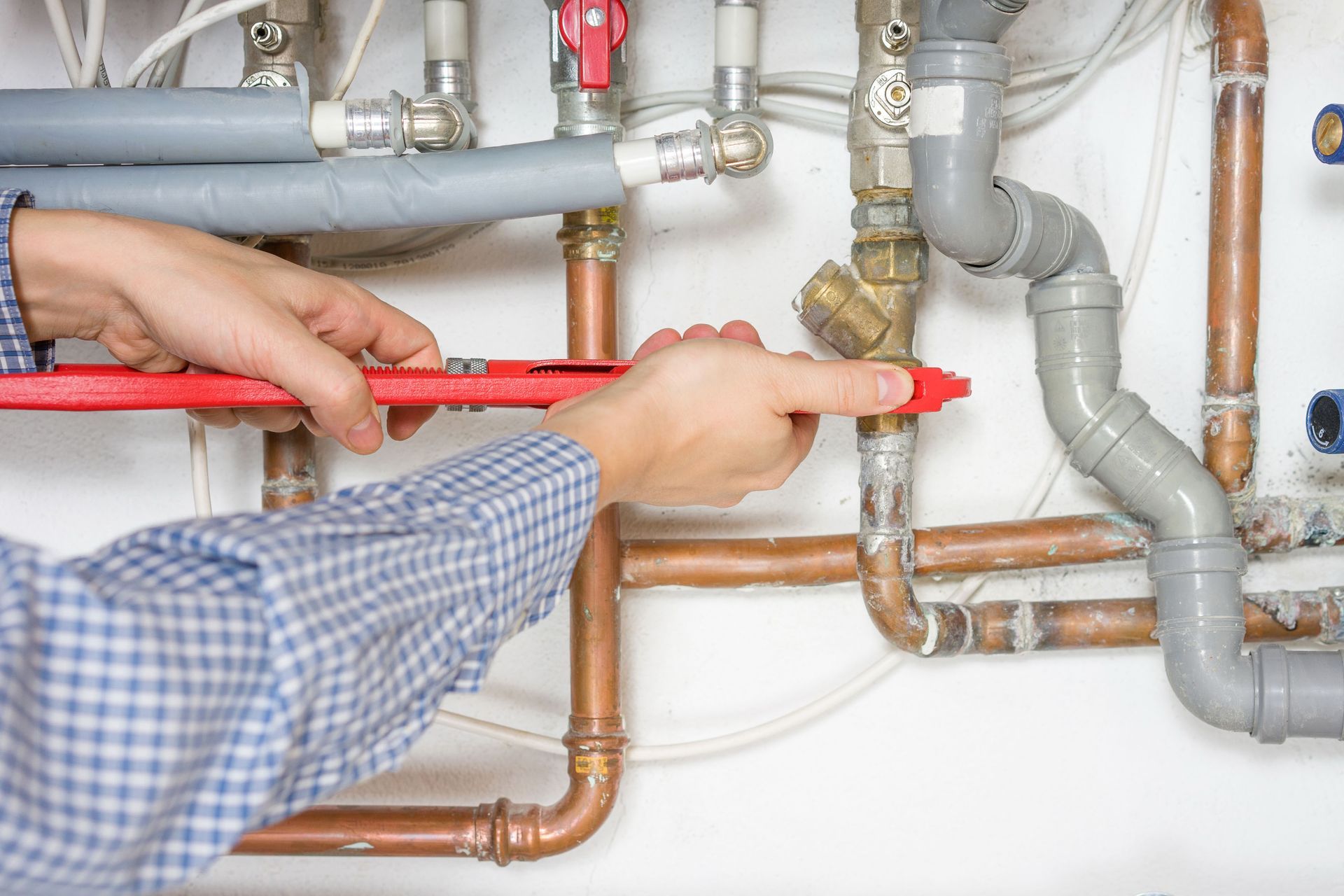
A professional response can also help homeowners identify the source of the water problem. Repairing the visible damage matters, but preventing another issue is just as important. Whether the cause is a leaking roof, failed sump pump, plumbing problem, poor drainage, or appliance failure, resolving the source helps protect the home from repeat damage.
Choosing a Professional Response
When water enters a home unexpectedly, time matters. Waiting to see whether materials will dry on their own can allow moisture to spread, odors to develop, and damage to become harder to repair. A professional response brings equipment, experience, and a step-by-step process to a situation that can otherwise feel chaotic.
Homeowners benefit from emergency water repair because it addresses both urgent cleanup and future prevention. The right team can extract water, monitor moisture, remove unsalvageable materials, protect structural components, reduce indoor air concerns, and guide the repair process. These steps help turn an emergency into a controlled restoration plan.
Professional service also helps homeowners make informed decisions. Instead of relying on assumptions, they can learn what was affected, what needs to be repaired, and what can be saved. That clarity is valuable for protecting the property, reducing stress, and restoring confidence after an unexpected water event. Call Ruberti Construction today to schedule your water repair service.