September 22, 2026
The field of infrastructure development is undergoing a massive shift as urban centers expand and legacy systems reach the end of their functional lifespan. Traditional excavation strategies, which long dominated underground utility construction, are increasingly recognized as invasive, costly, and environmentally damaging. In response, municipalities, commercial enterprises, and residential property owners are shifting toward modern non-invasive technologies. This comprehensive approach replaces heavy surface disruption with subterranean precision, keeping roads intact, ecosystems unharmed, and daily routines unbothered. The growing preference for modern methods highlights a broader movement within civil engineering toward solutions that blend economic efficiency with environmental sustainability. As public awareness grows and municipal mandates evolve, non-destructive pipe laying is rapidly establishing itself as the standard for modern utility projects.
Understanding the mechanics, benefits, and long-term implications of modern sewer installation requires a close look at how technology has refined subterranean engineering. From state-of-the-art horizontal drilling to specialized resin linings, modern methods eliminate the massive structural collateral damage historically associated with utility work. The shift is not merely about convenience; it represents a fundamental rethinking of how communities build, maintain, and protect vital underground assets. In this expanded guide, we will analyze the key advantages driving this revolution, explore the primary installation methodologies, evaluate the fiscal and environmental rewards, and outline what the future holds for modern subterranean utility networks.
Upgrading Underground Infrastructure with Trenchless Methods
The historical approach to utility work depended entirely on open-cut excavation, a process that required heavy machinery to slice through roads, lawns, and sidewalks to reach deep pipes. While this method was long considered the standard approach, its collateral costs have always been immense. Beyond the direct labor and machinery costs, traditional digging results in severe traffic delays, damaged landscaping, destroyed pavement, and weeks of localized economic disruption for nearby businesses. As urban density increases, digging vast open trenches becomes less viable, forcing engineers and utility leaders to implement techniques that perform complex pipe updates from discreet access points rather than long open cuts.
Modern non-invasive sewer installation techniques bypass surface disruption by utilizing ground-penetrating access shafts. Specialized boring rigs, micro-tunneling units, and pulling mechanisms allow technicians to place or restore underground lines with surgical precision. This approach drastically shrinks the project footprint, allowing daily life above ground to proceed smoothly while heavy engineering work occurs beneath the surface. By removing the need for long open trenches, subterranean installation avoids the extensive site restoration expenses that historically inflated utility budgets, making non-destructive utility building a far more sustainable path for long-term municipal planning.
Minimizing Ecological Damage During Subterranean Projects
Excavating long trenches destroys topsoil structure, disrupts native roots, and creates massive ground instability that triggers erosion and surface run-off pollution. Traditional earth-moving operations clear extensive swathes of flora, compact the surrounding earth, and frequently damage nearby water tables or natural habitats. In sensitive urban ecosystems or natural reserves, open excavation leaves lasting ecological scars that take years to fully recover. Minimizing ground displacement preserves local soil integrity, protects root structures, and prevents contaminated runoff from entering storm drains and local rivers.
Beyond preserving immediate vegetation and topsoil, non-invasive installation drastically lowers carbon emissions across the lifespan of a project. Traditional excavation requires a fleet of diesel-powered heavy machines running continuously for weeks to dig, haul, and backfill hundreds of tons of earth. Non-destructive alternatives cut down machine hours, diminish vehicle traffic delays around job sites, and lower fuel usage significantly. Certified sustainable urban planners actively favor these low-impact approaches because they align cleanly with modern green building standards and municipal environmental targets, making non-invasive utility execution essential for carbon-neutral infrastructure development.
Maximizing Financial Savings Through Reduced Excavation Costs
Evaluating the true financial cost of utility construction for sewer installation requires looking past initial line-item equipment charges to consider overall project expenditure. Traditional trenching often appears straightforward on paper, but the secondary expenses, such as replacing asphalt, restoring private landscaping, rerouting traffic, and compensating for delayed commerce, quickly mount up. Non-invasive pipeline work significantly cuts down these indirect costs by keeping surface structures untouched. By limiting deep earth removal, contractors avoid paying expensive fees to haul away discarded dirt and purchase fresh backfill material, ensuring overall operational budgets remain predictable and low.
Furthermore, compressed project timelines yield major savings on specialized labor and job-site oversight. Projects that used to demand weeks of invasive digging can often be completed in days or even hours using advanced cured-in-place lining or horizontal drilling techniques. Faster project turnarounds mean lower labor expenditures, reduced site safety liability, and fewer public inconvenience complaints. Local governments and regulatory bodies frequently offer financial grants or expedited permitting for projects utilizing low-impact techniques, reinforcing modern trenchless sewer installation as an economical choice for forward-thinking property developers and city managers.
Integrating Advanced Technologies for Subterranean Precision
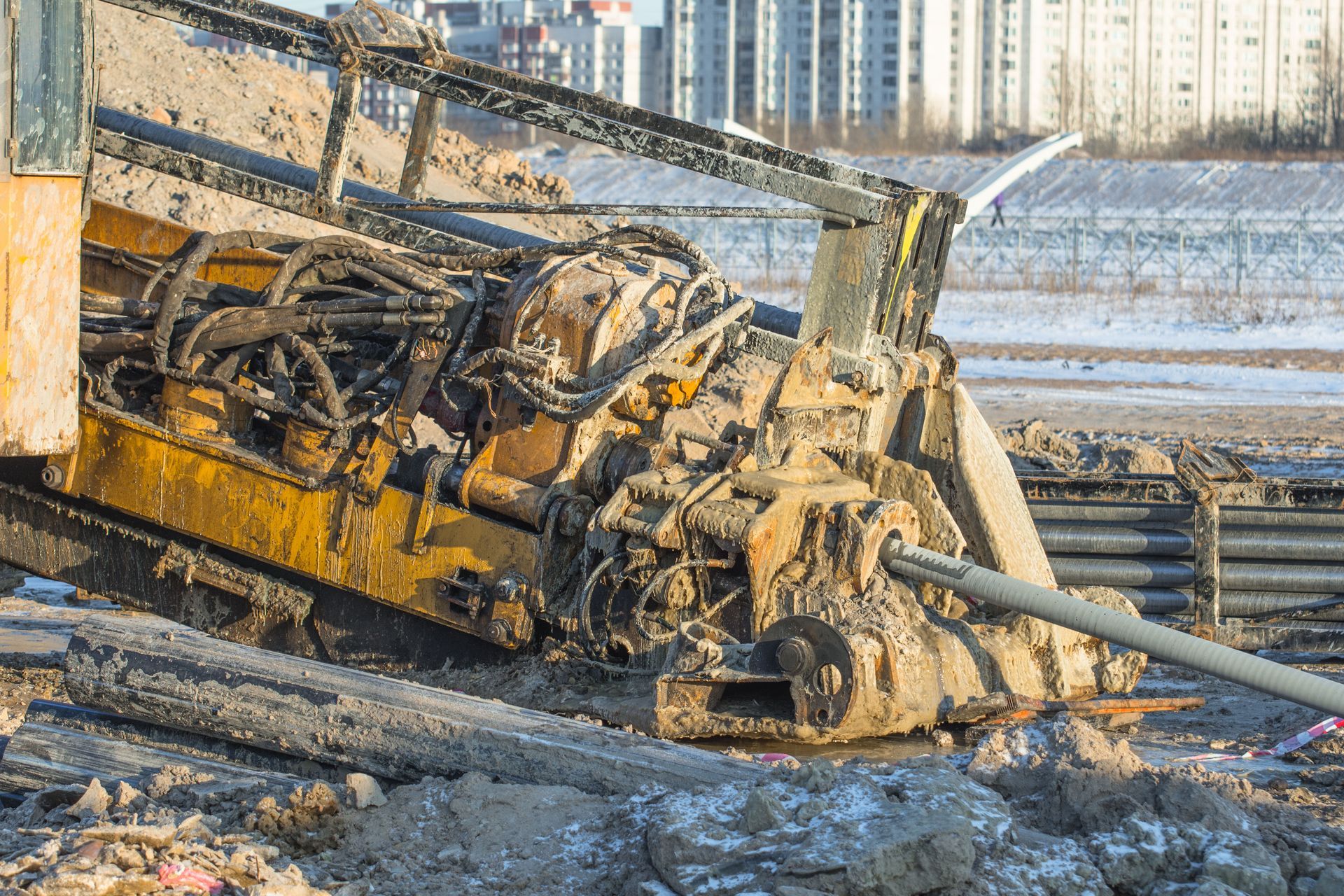
Modern non-invasive utility techniques rely heavily on continuous mechanical and material science innovations. Horizontal Directional Drilling stands out as a core method, utilizing steerable drill heads guided by telemetry sensors to carve underground paths around existing obstacles. This allows technicians to navigate around complex urban utility grids with exceptional accuracy. Another breakthrough technique is pipe bursting, which uses a high-powered pneumatic cone to shatter aging lines outward into the surrounding soil while simultaneously pulling a strong, seamless replacement pipe into the vacated space.
Material advancements have introduced Cured-In-Place Pipe solutions, which essentially construct a durable new pipe inside an existing line without any major digging. A flexible liner saturated with liquid epoxy resin is inserted into the host pipe, expanded using air or water pressure, and cured using heat or ultraviolet light to form a smooth, seamless structural lining. Looking ahead, digital integration is taking these techniques further. Technology will offer predictive maintenance, data-driven insights, and greater efficiency, further bolstering the case for trenchless installations. This aligns with the recommendation to have sewer pipe inspections every two to three years, according to Rocket Mortgage, ensuring timely intervention and maintenance.
Overcoming Technical Complexities and Urban Constraints
Executing subsurface projects without open trenches presents unique technical challenges that demand skilled engineering and rigorous safety protocols. Working entirely underground means technicians cannot visually inspect the work zone directly; they must rely on subterranean mapping, ground-penetrating radar, and real-time sensor feedback. Navigating dense underground networks filled with electric, gas, fiber-optic, and water lines requires precise path planning to prevent costly utility strikes. High-level training certification programs ensure field personnel can interpret data feeds and operate complex machinery safely in high-density urban environments.
Maintaining strict quality control underground requires diagnostic technology and robust testing protocols. Because the completed work remains beneath the surface, contractors use high-definition robotic camera crawlers to complete thorough interior pipe inspections before, during, and after installation. Ultrasonic testing, hydrostatic pressure checks, and digital flow analysis confirm that new lines meet structural and operational standards before being cleared for service. By combining experienced field technicians with advanced diagnostic tools, modern non-destructive techniques achieve exceptional long-term reliability that matches or exceeds traditional trenching methods.
The evolution of modern subterranean engineering confirms that non-invasive utility solutions represent the future of sustainable infrastructure. By eliminating long open trenches, these techniques offer unmatched protection for surrounding environments, lower overall project costs, and prevent long public traffic disruptions. As municipal networks face aging pipelines and higher urban density, transitioning to non-destructive solutions is a practical necessity. Adopting these advanced techniques ensures that utility networks grow reliably while preserving urban aesthetics and natural landscapes. Continuous technological breakthroughs will only increase the speed, accuracy, and accessibility of subterranean pipeline construction for future generations.
Making informed decisions regarding underground utility upgrades requires working with experienced, fully certified professionals who specialize in non-destructive techniques. Whether you are addressing an aging line, planning a commercial development, or managing municipal utilities, selecting modern subsurface strategies ensures long-term efficiency and structural stability. To protect your property, optimize project timelines, and ensure top-tier craftsmanship, consult with the experts at Ruberti Construction to schedule your comprehensive evaluation and experience seamless
sewer installation today.