July 21, 2026
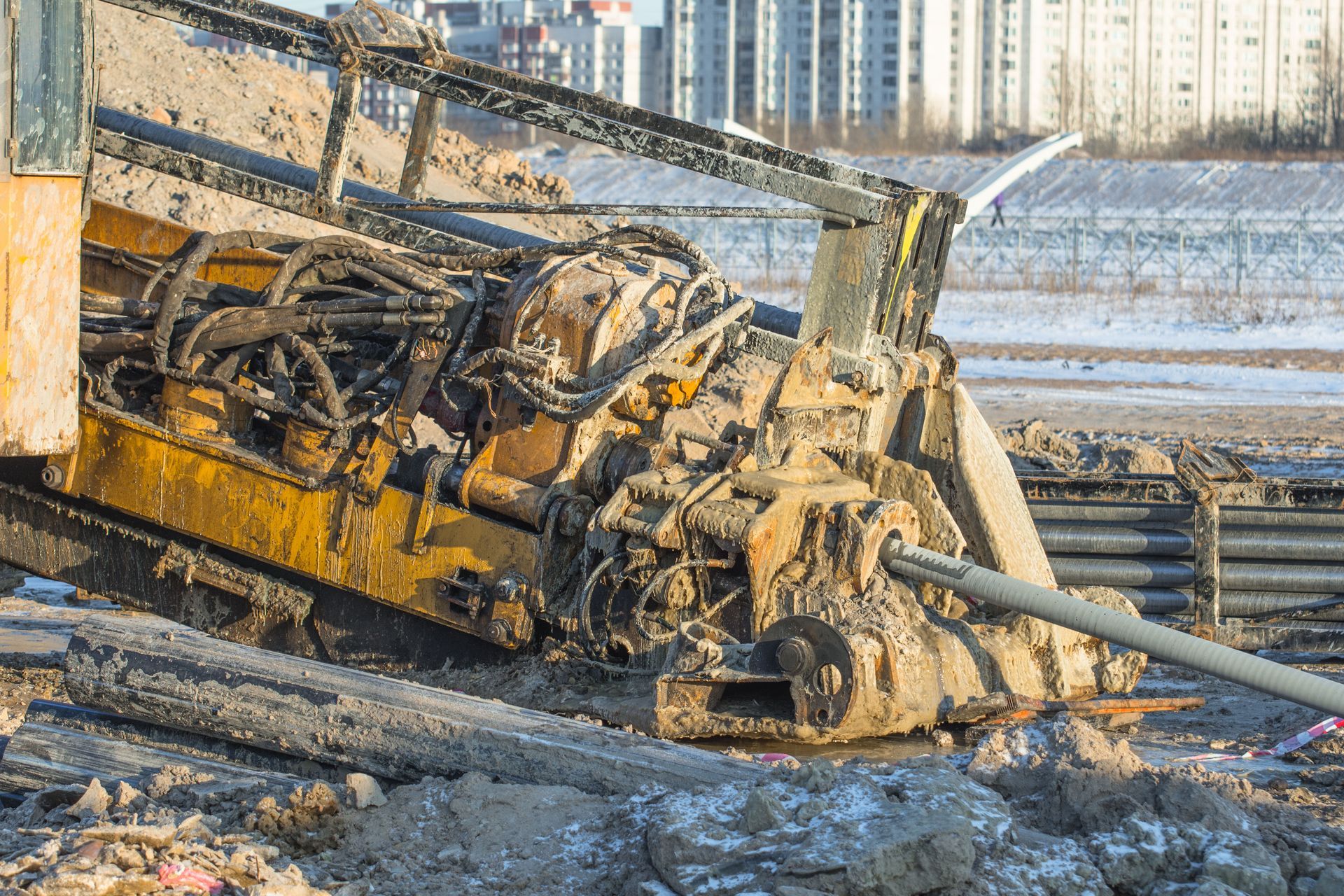
The landscape of modern infrastructure is undergoing a massive transformation as communities expand and older systems require comprehensive upgrades. Across the nation, the demand for robust utility installations, reliable communication networks, and advanced power grids has reached unprecedented levels. As cities grow denser and rural areas become more connected, development professionals must find innovative ways to install vital underground systems without paralyzing daily life. Traditional excavation methods, while long established, frequently fall short when confronting the complexities of highly developed urban environments and sensitive ecological zones. The disruption caused by extensive open trenches can lead to severe traffic congestion, business interruptions, and significant surface restoration challenges that delay project completion. To navigate this expanding era of growth successfully, the construction sector relies heavily on sophisticated methods that balance speed with precision. Among these advanced techniques, directional drilling has emerged as a crucial solution for installing conduits, pipes, and cables beneath the surface with minimal surface disturbance. By utilizing this subterranean approach, operators can successfully bypass obstacles, preserve existing landscapes, and establish critical utility paths efficiently. This advanced methodology allows project managers to overcome the physical limitations of traditional digging, providing a reliable pathway forward for modern infrastructure development.
Understanding Modern Infrastructure Needs
The rapid expansion of residential developments and commercial centers places a significant strain on existing underground networks. Upgrading these networks requires careful coordination and a clear understanding of the broader financial and operational trends defining the marketplace. The scale of this underground movement is immense, reflecting a widespread necessity to modernize everything from water mains to high-speed internet cables. According to IBISWorld, the U.S. excavation contractors industry generated roughly $145.4 billion in revenue in 2025, underscoring the sheer volume of earthmoving and utility installation work currently happening nationwide. As development demands increase, project managers must adopt strategies that allow them to complete installations efficiently while managing the complexities of crowded underground utility corridors. Utilizing directional drilling provides a distinct advantage in these crowded spaces, allowing workers to install pipelines and conduits directly beneath existing utilities without disturbing the established infrastructure. This approach ensures that expanding communities can receive the vital services they require without experiencing prolonged structural delays or extensive surface damage. By focusing on smart subterranean placement, developers can meet the growing needs of modern society while maintaining the integrity of the surrounding built environment. This strategic foresight helps avoid utility strikes and ensures safety.
Maximizing Underground Project Efficiency
In an era defined by rapid development, time is a critical asset for any construction project. Traditional open-cut excavation often requires extensive timelines because workers must meticulously dig trenches, manage large piles of displaced soil, and later backfill and restore the surface to its original state. This lengthy process can create significant logistical bottlenecks, particularly in busy commercial zones where prolonged disruptions directly impact local commerce and public transportation. By shifting away from conventional digging and embracing modern subsurface methods, project timelines can be drastically compressed. Implementing directional drilling allows crews to create a precise borehole underground and pull the necessary piping through it in a fraction of the time required for standard trenching. This method eliminates the need to haul away massive amounts of dirt or spend days repaving roads and replacing landscaping. The streamlined nature of this process means that projects progress smoothly from start to finish, reducing labor requirements and minimizing the operational footprint on site. As project schedules tighten and the demand for fast utility deployment grows, maximizing efficiency through advanced subterranean techniques becomes an absolute necessity for successful project delivery.
Minimizing Environmental Site Disruption
Preserving the natural environment and protecting delicate ecosystems are primary concerns during any major construction undertaking. Standard trenching methods can devastate local landscapes, tearing through topsoil, cutting tree roots, and altering natural water drainage paths. Furthermore, the extensive machinery required for traditional excavation can lead to severe soil compaction and increased erosion risks. Protecting these natural assets requires a methodology that operates beneath the surface without stripping away the beauty and health of the land above. The utilization of directional drilling provides an environmentally conscious alternative by leaving the surface layer virtually untouched. This process involves boring a controlled path deep beneath the root systems of trees, sensitive wetlands, and protected natural areas, ensuring that the surface ecosystem remains completely undisturbed. By avoiding the destruction of vegetation and the disruption of natural habitats, developers can satisfy strict environmental regulations and maintain positive community relations. Protecting the environment while still achieving critical infrastructure goals demonstrates that modern engineering can coexist harmoniously with ecological preservation efforts when the right subsurface techniques are selected.
Adopting Advanced Subsurface Methods
Navigating the complex maze of obstacles buried beneath modern cities requires an exceptional degree of technical precision and specialized equipment. Operators must contend not only with natural geological formations like solid rock and shifting sands but also with an intricate web of existing gas lines, water pipes, and electrical conduits. Overcoming these subterranean challenges demands tools that offer superior guidance and control. Through the deployment of directional drilling, technicians can carefully steer a horizontal bore path around obstacles with remarkable accuracy. The specialized guidance systems used in this field provide real-time data regarding the position and depth of the boring tool, allowing for immediate adjustments to avoid conflicts. This level of control is particularly invaluable when crossing beneath major highways, active railroad tracks, or wide rivers where traditional trenching is physically impossible or legally prohibited. By adopting these advanced subsurface methods, construction professionals can successfully complete complex installations that would otherwise be deemed unfeasible, ensuring that critical utilities reach their destinations safely and reliably.
Ensuring Long-Term Asset Durability
Beyond the immediate benefits of speed and reduced surface disruption, modern underground placement methods offer substantial advantages regarding the longevity and protection of the installed utilities. When conduits and pipes are placed deep within the earth using precise techniques, they are shielded from the harsh surface elements that typically accelerate wear and tear. Surface traffic, severe weather fluctuations, and accidental human interference can cause significant stress to shallowly buried assets. By opting for a deeper and more strategic installation approach, project developers can ensure that their vital delivery systems remain safe from these external pressures. Utilizing directional drilling ensures that the structural integrity of the pipeline is maintained throughout the installation process, as the smooth borehole prevents the scraping and stretching that often occur during traditional backfilling operations. This careful handling results in a more durable infrastructure network that requires less maintenance over time, protecting public investments and ensuring uninterrupted service for years to come.
As the demand for modern utilities and infrastructure continues to rise, the construction industry must adapt by choosing methods that maximize efficiency while protecting the surrounding community and environment. Relying on outdated methods can hinder project momentum and lead to unnecessary complications above ground. Embracing advanced underground engineering techniques allows developers to overcome these obstacles seamlessly, creating reliable pathways for progress. The implementation of directional drilling represents a forward-thinking choice that satisfies the technical, environmental, and temporal requirements of modern projects. If you are ready for exceptional underground utility installation that prioritizes precision and minimizes surface disruption, contact us at Ruberti Construction today. We will help you navigate your next infrastructure project with unmatched expertise and state-of-the-art technology, ensuring your subterranean systems are installed flawlessly from start to finish.